Operationally aligned training support for Joint & SOF readiness
Setting the standard in mission & warfighter support training.
We plan, resource, and execute training and exercise support that mirrors real world mission demands—integrating joint, interagency, and coalition partners; enabling special operations mission profiles; and closing the loop with data driven assessment and sustainment.
We manage the full exercise lifecycle, from concept through sustainment: white cell/control, MSEL development, role players/OPFOR, range and site coordination, safety, comms, and logistics.
Support
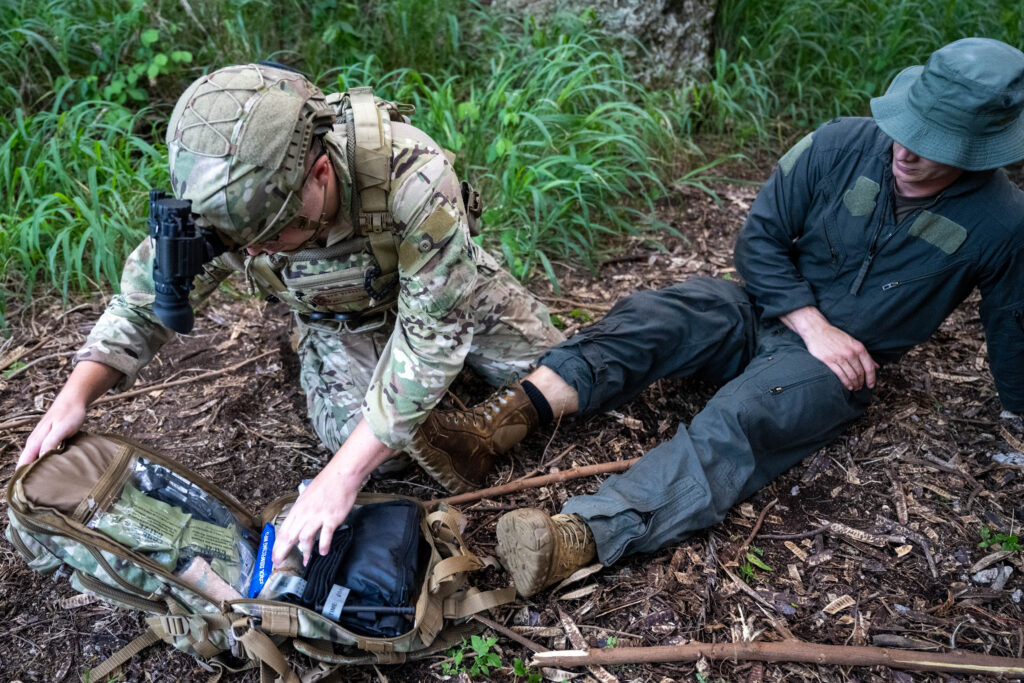
We provide training for mission and warfighter support across joint and special operations environments, with realistic, scalable scenarios and interagency/coalition coordination.
Align
We align objectives to METs/METLs and JTIMS/JELC constructs, ensuring measurable outcomes, quality delivery, and standard setting practices that advance readiness.
A joint force conducts a time-sensitive stabilization and evacuation in a dense urban district following civil unrest and complex threat activity. The exercise stresses decision-making, C2 discipline, and interagency coordination under compressed timelines.
Scenario 2: Littoral Interdiction & Sensitive Site Exploitation (LISSE)
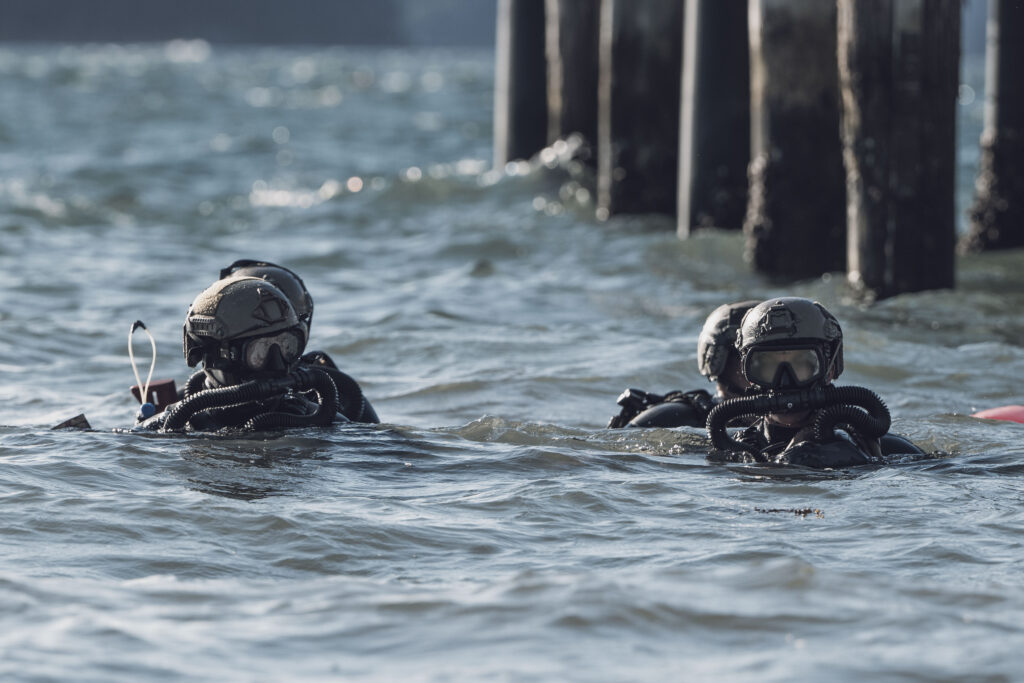
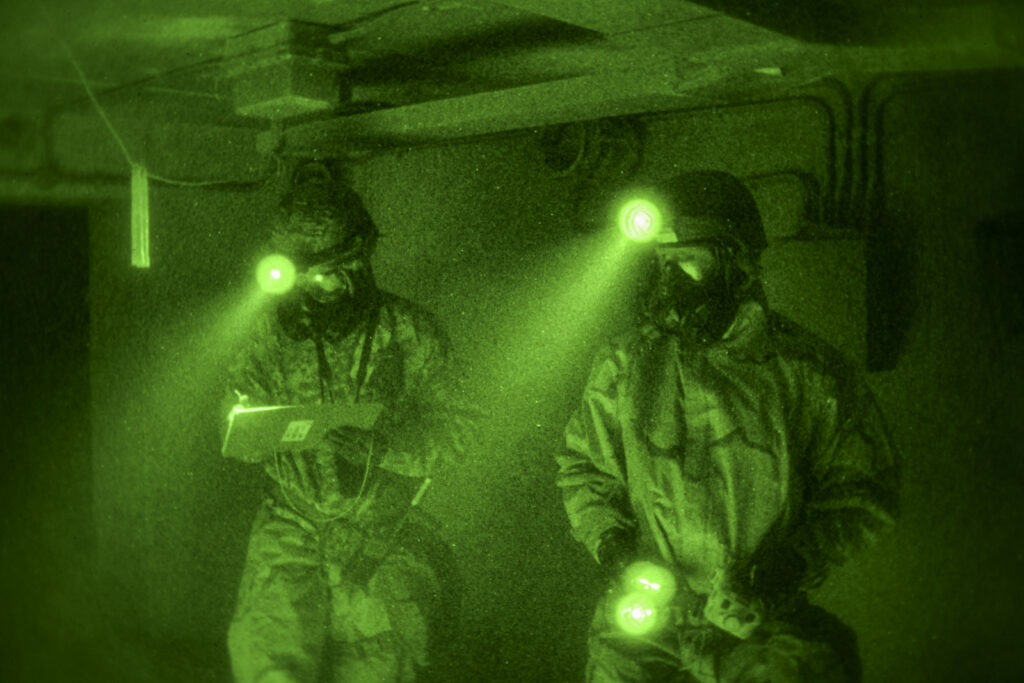
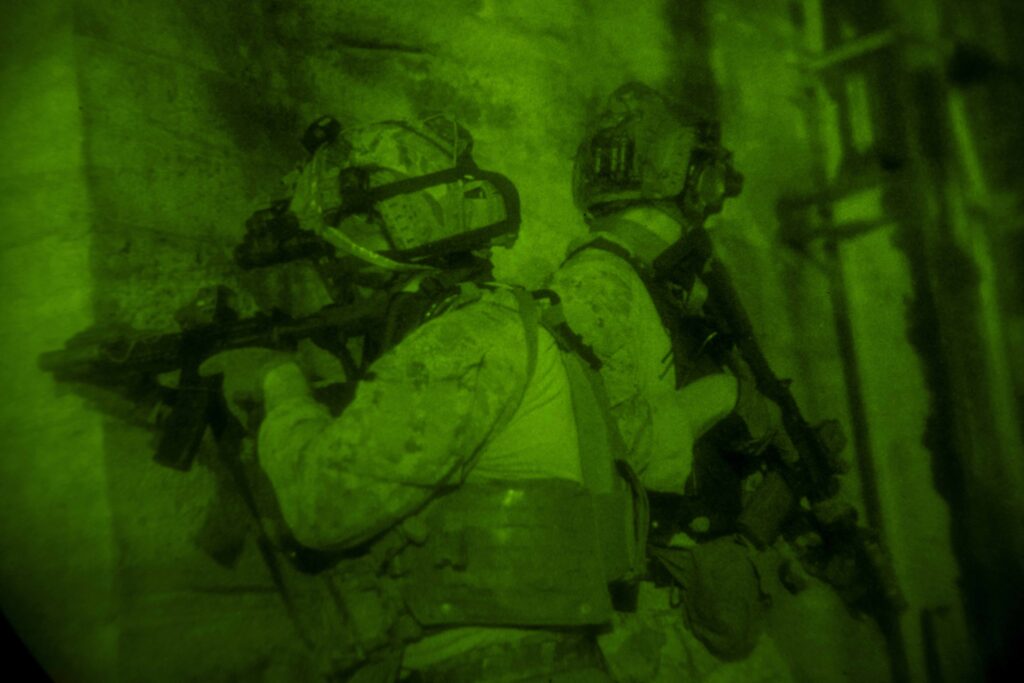
A joint force with SOF elements conducts a nighttime interdiction on a littoral objective, followed by time-bound sensitive site exploitation. The exercise emphasizes cross-domain integration, maritime/shore coordination, and evidence handling.
AGC manages the full exercise lifecycle. We begin with mission analysis to clarify training audiences, readiness gaps, and measures of effectiveness. From there, our teams design scenarios and events that reflect real operational complexity while preserving safety and interoperability. We build each exercise with the practical details that matter: white cell and control architecture, Master Scenario Events List (MSEL) and inject development, role players and OPFOR, range and site coordination, communications and control plans, logistics and movement, and pre-mission rehearsals. During execution, we integrate live, virtual, and constructive components as appropriate, maintain a disciplined battle rhythm, and provide responsive issue resolution. We conclude with rigorous assessment—capturing data and observations, facilitating professional after-action reviews, and translating lessons learned into clear, executable sustainment plans.
White cell / control; MSEL/injects; scenario scripting
Role players, OPFOR, linguists, cultural advisors
Range control, safety, site coordination, risk management
LVC integration; battle rhythm; comms & C2 support
Data capture, observer‑trainer, AARs, lessons learned, sustainment plans
How We Support
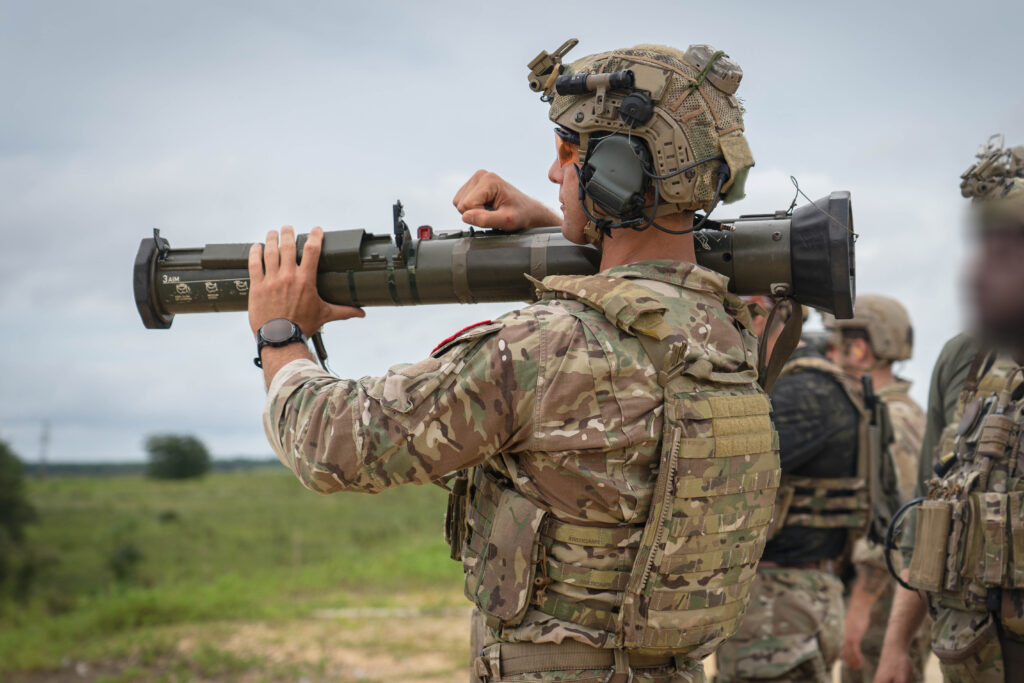
We support joint and special operations environments with realism and precision. Our approach is purpose-built for mission and warfighter support across U.S. Army, U.S. Navy (including SEAL elements), AFSOC, USSOCOM, combatant commands such as AFRICOM, and interagency and coalition partners. AGC integrates these stakeholders to mirror real decision cycles, authorities, and frictions. The result is training that tests not only tactics and technical skills, but also the command-and-control, coordination, and information flows that drive outcomes in real missions.
Training for mission and warfighter support across joint and special operations environments
Integrated planning, resourcing, and execution aligned to command objectives and readiness goals
Realistic, scalable scenarios with interagency and coalition coordination
Logistics, movement, staging, communications, and sustainment for training audiences
Section 508–aware schedules, control plans, and training materials
Aligned to Requirements
Alignment is our hallmark. We trace every objective to mission-essential tasks and established joint frameworks (e.g., JTIMS/JELC constructs) so that commanders can measure progress with confidence. We emphasize quality and standard-setting practices: clear governance, transparent documentation, Section 508-aware materials, risk management embedded at every stage, and accessible artifacts—plans, checklists, and check-outs—that enable repeatable success. Our assessments connect observed performance to actionable improvements, ensuring that lessons are not just recorded, but adopted.
Training audience levels: unit, component, Service, CCMD, coalition, and interagency
Audiences include: U.S. Army; U.S. Navy (incl. SEALs); AFSOC; USSOCOM; AFRICOM; SOF components; interagency & coalition partners
Readiness objectives tied to METs/METLs and JTIMS/JELC constructs
SOF‑compatible integration while preserving joint interoperability
Measurable outcomes with a quality‑first, standard‑setting approach
Scalable surge teams to match exercise scope
End-to-End Lifecycle
Our lifecycle follows a joint exercise methodology and is tailored to mission context and command timelines. Each stage produces artifacts that connect planning to execution and assessment.
Artifacts By Stage
Plan
Mission analysis brief, training audience profile, initial concept of exercise (CONEX)
Staffing matrix, logistics plan, role player/OPFOR roster, MSEL with injects, rehearsal plan
Execute
EXCON/white cell ops guide, daily battle rhythm, range control checklist, LVC integration notes
Assess
Observer trainer notes, data capture matrix, AAR deck, metrics vs. METs
Sustain
Lessons learned summary, doctrine/TTP inputs, refresher training plan
An Accountable Integrator
Ultimately, AGC is an accountable integrator. We don’t just provide components; we connect them—people, plans, places, and processes—into a coherent, outcomes-driven training ecosystem. That is how we support, manage, and train across the SOF community and the wider military and government enterprise: by turning objectives into executable plans, plans into safe and realistic exercises, and exercises into sustained readiness.